
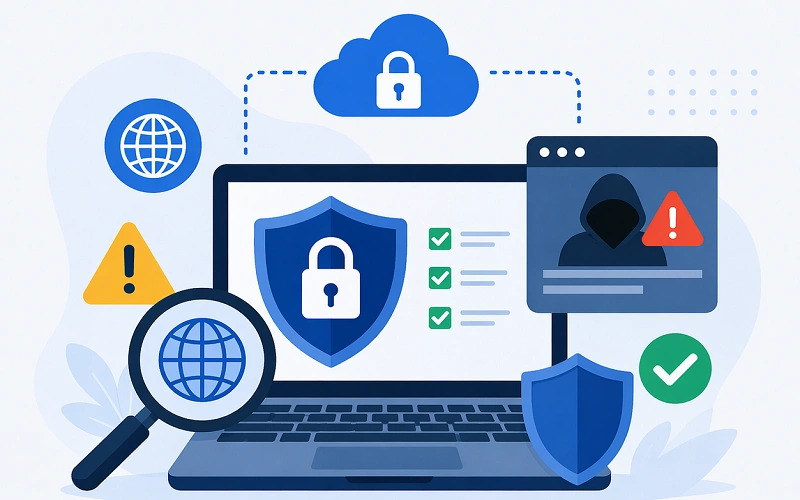
In the modern digital landscape, organizations are forced to confront a continuously evolving array of cyber threats. No longer are traditional firewalls and antivirus software sufficient for protecting sensitive data, intellectual property, and brand reputation. As cyberattacks grow in complexity and scale, the demand for sophisticated, proactive security solutions has surged.
Digital risk protection from Netcraft is increasingly recognized as an essential investment, not just a technical add-on. But what does this protection really cost, and how should organizations weigh the investment against the tangible and intangible risks of inaction?
The Expanding Digital Threat Surface
Digital transformation has brought immense opportunities, but it has also broadened the attack surface for cybercriminals. Cloud adoption, remote work, mobile devices, and the proliferation of third-party services mean that organizations are exposed to more threats than ever. Phishing, brand impersonation, data breaches, and supply chain attacks can originate from anywhere in the digital ecosystem.
Netcraft, with its extensive expertise in monitoring and neutralizing online threats, exemplifies how digital risk protection can provide a crucial layer of defense. Their solutions help organizations identify and mitigate risks across a wide spectrum of digital channels, including websites, domains, social media, and dark web forums. However, understanding the true cost of digital risk protection requires a closer look at both the financial outlay and the long-term value it delivers.
Evaluating the Economic Impact of Cyber Threats
Before considering the price tag of digital risk protection from Netcraft or any other provider, it’s vital to assess the potential financial consequences of a successful cyberattack. Studies consistently show that the average cost of a data breach continues to rise. According to IBM’s 2023 Cost of a Data Breach Report, the global average cost now exceeds $4.45 million per incident. These expenses aren’t confined to direct losses, such as stolen funds or ransom payments. They also include regulatory fines, legal fees, loss of customer trust, operational downtime, and the lasting impact on an organization’s reputation.
For many businesses, a single breach can have catastrophic consequences. Small to mid-sized enterprises are particularly vulnerable, as they may lack the resources to recover from a major incident. In light of these realities, investing in digital risk protection from Netcraft or similar solutions becomes a matter of prudent risk management.
What Does Digital Risk Protection From Netcraft Encompass?
Digital risk protection from Netcraft is not a one-size-fits-all product. Instead, it encompasses a suite of services designed to proactively monitor, detect, and respond to threats targeting an organization’s digital assets. Key components typically include:
- Brand Protection: Continuous surveillance for phishing sites, fraudulent domains, and impersonation attempts that exploit a company’s brand identity.
- Threat Intelligence: Real-time data collection and analysis from the visible web, social platforms, and the dark web to identify emerging threats.
- Takedown Services: Swift removal of malicious sites or content that pose risks to the organization or its customers.
- Vulnerability Monitoring: Alerts regarding exploitable weaknesses in public-facing digital infrastructure.
- Risk Reporting: Actionable insights and detailed reports, helping organizations prioritize and remediate threats proactively.
These features are designed not only to catch existing threats but also to anticipate and neutralize new ones before they can cause harm. The value of such protection is grounded in early detection and rapid response, which can prevent or minimize costly cyber incidents.
Cost Factors: What Influences the Price of Digital Risk Protection?
The cost of digital risk protection from Netcraft depends on several variables. Unlike commodity security tools, these solutions are tailored to the unique risk profile and requirements of each organization. Major cost determinants include:
- Scope of Coverage: The breadth and depth of monitoring—such as the number of domains, brands, or social channels—directly affect the investment required.
- Level of Automation: Advanced solutions with automated detection and takedown capabilities may command higher upfront costs but often yield greater efficiency and faster response times.
- Integration with Existing Security Tools: Seamless integration with security operations centers (SOCs) and enterprise workflows can add complexity, but it enhances the overall value.
- Volume of Threats Managed: Organizations operating in high-risk industries or with a significant digital presence may require more extensive resources and support.
- Service Levels: Around-the-clock monitoring, dedicated analysts, and bespoke reporting contribute to higher costs but deliver greater peace of mind.
While precise costs vary, reputable digital risk protection providers like Netcraft often offer tiered pricing models, allowing organizations to scale security investments according to their needs and budgets.
Balancing Cost and Value: The ROI of Digital Risk Protection
It’s important to acknowledge that digital risk protection from Netcraft, or any comparable solution, represents a proactive investment rather than a sunk cost. The value lies in the potential to avert much larger losses, both direct and indirect. Quantifying the return on investment (ROI) involves considering several factors:
- Incident Prevention: The most significant savings come from breaches or attacks that never happen. By neutralizing phishing sites or fraudulent domains swiftly, organizations can prevent financial loss and reputational damage.
- Reduced Downtime: Rapid response reduces the duration and impact of incidents, minimizing business disruption and associated costs.
- Regulatory Compliance: Many industries face stringent data protection regulations. Effective digital risk protection can demonstrate due diligence, helping organizations avoid costly fines and legal action.
- Customer Trust: Maintaining a secure digital environment reinforces brand trust and customer loyalty, which are critical to long-term growth.
In practical terms, the cost of digital risk protection from Netcraft is often dwarfed by the potential costs of unmanaged digital threats.
Practical Insights: How Organizations Approach Digital Risk Protection
Adopting digital risk protection is not solely a matter of technology procurement. It requires a strategic approach that aligns with the organization’s broader risk management framework. Best practices include:
- Conducting a Thorough Risk Assessment: Identify critical assets, likely threat vectors, and the potential impact of different types of attacks.
- Establishing Clear Security Objectives: Determine what needs to be protected most urgently—whether it’s customer data, intellectual property, or brand reputation.
- Engaging Stakeholders: Involve IT, legal, compliance, and executive teams in decision-making to ensure comprehensive protection.
- Continuous Education: Foster a culture of security awareness across the organization, as human error remains a leading cause of breaches.
- Regular Review and Adjustment: Cyber threats evolve, so digital risk protection strategies should be periodically reassessed and adapted.
Organizations that treat digital risk protection as an ongoing process rather than a one-time purchase are better positioned to respond to emerging challenges.
The Role of Digital Risk Protection in a Zero-Trust World
Zero-trust security frameworks, which operate on the principle of “never trust, always verify,” are gaining traction as a best practice in cybersecurity. Digital risk protection from Netcraft complements zero-trust strategies by extending visibility and control beyond the organization’s internal network. By monitoring external threats and taking swift action, businesses can reduce blind spots and strengthen their overall security posture.
This approach is especially vital in an era where attackers constantly develop new methods to exploit weak links in the digital ecosystem. Effective digital risk protection ensures that organizations are not left reactive, but can proactively defend their interests across the digital landscape.
Conclusion:
The cost of digital risk protection from Netcraft is best viewed through the lens of risk management and long-term value. While there is a financial investment to consider, the potential savings—measured in prevented breaches, regulatory compliance, and preserved trust—far outweigh the expense for most organizations.
As cyber threats become more sophisticated and the digital attack surface expands, digital risk protection is no longer optional. It is a critical component of a resilient and forward-thinking security strategy. Organizations that recognize this reality and invest accordingly will be better equipped to navigate the challenges of an increasingly perilous digital environment, securing their assets—and their future—for the long term.