Reputation, online or offline, runs quiet but deep in how search engines treat brands. It doesn’t wave flags. It doesn’t need to. Also, It shapes trust signals, directs user behavior, and silently moves rankings. There’s no flash to it. No clean line of causality. But there’s weight in reputation, and Google doesn’t ignore weight.
Search Signals Aren’t Just About Links
It’s tempting to measure search authority through clean metrics—domain authority, referring domains, anchor diversity. Those things matter, sure, but they’re just surface-level outputs. Reputation drills further. It bleeds into how often your brand gets searched, how often people click on you instead of others, whether they return, whether they bounce. Search engines see all of it.
Click behavior changes rankings. It’s murky, but it’s been seen enough times. Users trust a brand? They’ll pick it even if it’s not in the top spot. Do that at scale and suddenly you are the top spot. Hard to track, hard to prove, but the pattern shows up. Brand strength steers users. Reputation makes them stick.
Mentions Matter More Than Metrics Admit
A brand doesn’t need a hyperlink to leave a mark. Search engines pick up unlinked mentions. Google’s systems learn how people use a name, where they use it, and how often it appears near specific topics. When a brand appears in context with a term frequently enough, search engines begin connecting the dots. Over time, the brand starts ranking for those terms. No backlinks needed. Just consistency. Just presence.
Reputation Builds Links Without You Asking
You can push link-building with outreach, but when reputation works, people link without needing to be pitched. Journalists use you as a source because others already did. Bloggers name-drop because readers know who you are. That’s earned visibility. The links don’t just grow in number—they start showing up in better places. And that signal snowballs.
Now, there’s something here worth really pointing out. Digital PR link building doesn’t just chase links. It generates visibility across top-tier publications. The kind with real readership. When these efforts are aligned with brand reputation, they don’t just provide backlinks—they spark conversation, shape sentiment, and trigger unlinked mentions, all at once. Done right, it builds brand weight. The type that Google respects even if it can’t crawl every detail.
Sentiment Leaves Trails
It’s not just who talks about you. It’s how they talk. Reviews, discussions, news stories—they all carry tone. Google crawls that. Sentiment analysis runs under the hood. It can’t be gamed easily. You can’t flood it with fluff. Negative press, unresolved complaints, those linger and pull down overall site quality over time. Google’s Quality Rater Guidelines make this really clear. If people don’t trust a site, neither should the engine.
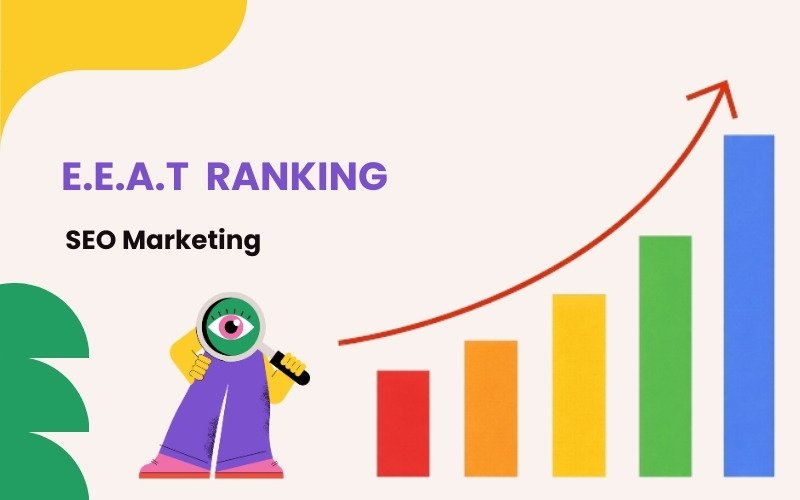
E-E-A-T—Experience, Expertise, Authoritativeness, Trust—relies on this. And reputation feeds directly into that last T. Trust. Get bad PR for something sloppy or shady and your trust rating quietly sinks, especially if coverage comes from sources Google sees as legit. There’s no manual penalty. But crawl budget might get trimmed. Rankings might soften. Your site might just start… slipping.
Search Engines Notice Real Brands
You’ll hear people say “Google loves brands.” But what does that even mean? It’s not favoritism. It’s pattern recognition. Real brands get searched directly. They get searched alongside keywords. Think “Nike running shoes” instead of just “running shoes.” Google sees those combos and adjusts results accordingly. That’s brand association in action.
You build that over time through
- Consistency.
- Word of mouth.
- Solid product or service.
But also through how you handle problems. Missed deliveries, slow support, security issues—they all ripple out. Mess something up publicly and don’t fix it? People talk. Google notices. You might still rank, but cracks start showing. Reviews go negative. CTRs drop. Traffic shifts to others.
You fix it? Own it? That also spreads. Recovery counts.
User Behavior Reinforces Reputation
When users linger, scroll, click deeper, that data gets fed back. No one knows exactly how much behavioral data Google uses. But there’s enough research and enough slips in patents and updates to know: it matters. A brand with good rep tends to keep users engaged. And those engagement signals send feedback that this is a good result. If users click you and then come back to search again immediately? That’s bad.
A strong rep, though, buys a few seconds of patience. People give known brands longer to load. They tolerate bad UI a little more. They’re less suspicious of typos or small glitches. That grace period isn’t infinite. But it’s real. And in search, even tiny changes in bounce rate or time on page can sway rankings.
Reputation doesn’t show up on most SEO dashboards. It’s not a single metric. No chart. No export. But it touches everything. Clicks, links, mentions, time on site, brand searches, reviews—they all carry little fragments of your reputation. Google’s systems absorb those fragments. Over time, they paint a picture.
And sometimes that picture’s a little smudged. That’s fine. No brand’s perfect. What matters is how consistent your presence is, how visible you stay, and how often users choose you over someone else.