
Local chapters play a crucial role in the success of many professional associations, nonprofit organizations, and member-based communities. These chapters often act as the primary connection point between the organization and its members, organizing events, facilitating networking, and implementing programs at the regional level.
However, managing chapter activities effectively can be challenging. Volunteer leaders must coordinate communication, track membership data, plan events, and maintain compliance with national guidelines—all while balancing limited resources and time.
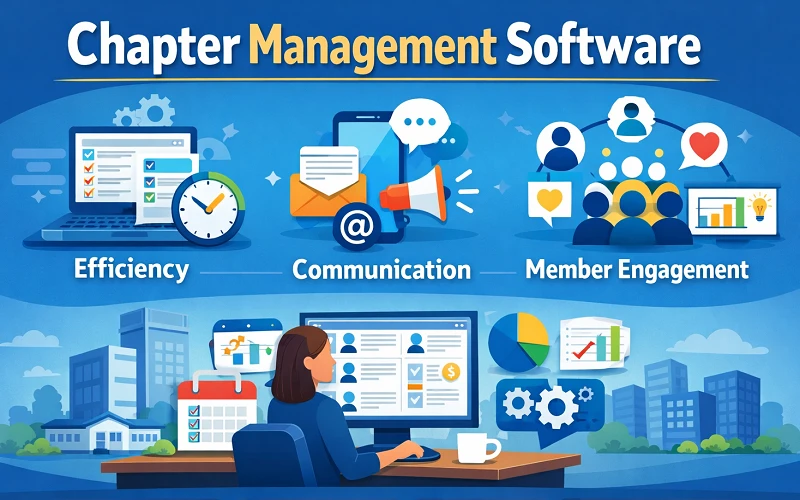
As organizational structures become more complex and member expectations grow, digital tools have become essential for supporting chapter operations. Chapter leaders increasingly rely on technology to streamline administrative tasks, maintain accurate records, and improve communication. Among the most valuable tools available today is chapter management software, which helps organizations coordinate chapter activities and maintain consistency across multiple locations.
Research from the American Society of Association Executives shows that associations that adopt structured management technologies are more likely to maintain consistent governance and stronger member engagement across their chapters. By using specialized software solutions, organizations can improve operational efficiency while empowering chapter leaders to focus on meaningful community-building activities.
The Administrative Challenges Facing Local Chapters
Many chapter leaders are volunteers who dedicate their time to advancing the mission of their organizations. While their commitment is essential, managing chapter operations without adequate tools can create inefficiencies. Tasks such as maintaining membership records, collecting dues, organizing events, and sending communications often require significant manual effort.
Administrative complexity increases when organizations operate multiple chapters across different regions. Without centralized systems, information may become fragmented across spreadsheets, email lists, and independent databases. This fragmentation can lead to inconsistent data, communication gaps, and difficulties in monitoring chapter performance.
According to research conducted by the Nonprofit Technology Network, nonprofit organizations that rely heavily on manual administrative processes often experience reduced operational efficiency and increased risk of data inaccuracies. These challenges highlight the need for integrated digital systems that support consistent and streamlined management practices.
Modern chapter management software addresses many of these issues by centralizing information and automating routine administrative functions. Instead of relying on scattered tools, chapter leaders can access a unified platform that organizes member data, communication history, and event planning activities.
Improving Communication and Member Engagement
Effective communication is one of the most important responsibilities of chapter leadership. Members rely on their local chapters to provide timely information about meetings, educational opportunities, and networking events. However, maintaining consistent communication across large or geographically dispersed member groups can be difficult.
Digital communication tools integrated within chapter management software allow chapter leaders to manage newsletters, announcements, and event invitations from a single platform. These systems often include email automation features that help ensure members receive relevant updates without overwhelming leaders with repetitive tasks.
Personalized communication also plays a critical role in engagement. Members are more likely to participate in chapter activities when communications reflect their interests and professional goals. By maintaining detailed member profiles, chapter management software allows chapter leaders to segment audiences and tailor messages accordingly.
Research by the Community Roundtable suggests that organizations using structured community engagement platforms often experience higher participation rates in events and online discussions. This is partly because members receive more targeted and meaningful communication that aligns with their interests.
In addition to formal communication channels, software platforms can support online discussion forums, collaboration spaces, and networking groups. These digital communities extend engagement beyond in-person meetings, allowing members to connect and share knowledge throughout the year.
Streamlining Event Planning and Program Management
Events are among the most visible and impactful activities organized by local chapters. Workshops, conferences, networking sessions, and educational seminars provide opportunities for members to build professional relationships and expand their knowledge. However, organizing events can involve complex logistical tasks.
Event planning typically requires coordinating registrations, processing payments, tracking attendance, and communicating with participants. When handled manually, these processes can be time-consuming and prone to errors. Digital solutions help simplify these tasks and improve overall efficiency.
Integrated event management features within chapter management software allow chapter leaders to create event pages, manage registrations, and monitor attendance in real time. Automated reminders and confirmation emails help ensure that participants receive accurate information about event schedules and locations.
Data collected from events can also provide valuable insights into member preferences. By analyzing attendance patterns, organizations can determine which topics and formats generate the most interest. This information helps chapters design programs that better meet member needs and encourage ongoing participation.
Studies published by the Harvard Business Review emphasize that organizations that systematically analyze program data are better positioned to refine their offerings and improve participant satisfaction. In the context of associations and nonprofits, this approach supports more effective and responsive chapter programming.
Strengthening Data Management and Organizational Consistency
Reliable data management is essential for both local chapters and national organizations. Accurate membership records, financial data, and engagement metrics allow leaders to monitor progress and evaluate the impact of their initiatives.
Without centralized systems, chapters may maintain separate records that differ in format and accuracy. This fragmentation can create challenges when national leadership attempts to assess membership growth, track participation rates, or evaluate program outcomes across multiple chapters.
Implementing chapter management software helps address these issues by providing a standardized platform for storing and managing information. Member profiles, event participation records, and communication history can all be stored within a centralized database accessible to authorized users.
Centralized data management also supports collaboration between chapter leaders and national staff. Shared dashboards and reporting tools enable organizations to track key performance indicators such as membership retention, event participation, and volunteer engagement.
Research from the Urban Institute highlights the importance of structured data systems for nonprofit organizations. According to their findings, organizations that implement integrated data management platforms are better able to evaluate program effectiveness and allocate resources strategically.
Supporting Volunteer Leadership and Governance
Volunteer leaders play a vital role in chapter success, but they often face challenges related to time constraints and administrative responsibilities. Many volunteers balance their leadership roles with full-time professional commitments, making efficiency particularly important.
Digital tools can significantly reduce the administrative burden placed on volunteers. By automating routine tasks such as membership renewals, payment processing, and event reminders, chapter management software allows leaders to focus on strategic initiatives rather than administrative paperwork.
Governance is another area where digital systems provide valuable support. Chapters must often comply with organizational policies, reporting requirements, and financial guidelines. Maintaining accurate documentation and meeting these requirements can be difficult without structured systems.
Management platforms often include features that help track compliance activities, maintain records of board meetings, and store important governance documents. These capabilities promote transparency and accountability while ensuring that chapters remain aligned with organizational standards.
Effective governance strengthens trust among members and ensures that chapters operate responsibly. When administrative processes are well-organized and transparent, members are more likely to view their chapters as reliable and professional communities.
Measuring Performance and Long-Term Impact
To maintain strong and sustainable chapters, organizations must regularly evaluate their performance. Metrics such as membership growth, volunteer participation, event attendance, and program outcomes provide valuable insights into how effectively chapters are serving their communities.
Digital platforms allow leaders to track these metrics through customizable dashboards and reports. By using chapter management software, organizations can monitor engagement trends across multiple chapters and identify successful initiatives that could be replicated elsewhere.
Data-driven evaluation also supports continuous improvement. For example, if a chapter observes declining event attendance, leaders can review past program data to identify potential causes. Perhaps members prefer virtual events, different topics, or alternative scheduling formats. Evidence-based decision-making is widely recognized as a best practice in nonprofit and membership organizations.
According to governance research from BoardSource, organizations that implement structured performance evaluation systems are more likely to achieve their strategic objectives and maintain long-term sustainability.
By regularly reviewing data and adjusting strategies accordingly, chapters can remain responsive to member needs and evolving industry trends.
Preparing Chapters for a Digital Future
The future of chapter management will likely involve an even greater reliance on digital tools and online collaboration platforms. Hybrid events, virtual training programs, and digital communities are becoming increasingly common across professional and nonprofit sectors.
As organizations expand their digital capabilities, technology must remain aligned with broader community-building goals. Software platforms should support—not replace—the human relationships that form the foundation of successful chapters.
Adopting chapter management software can help organizations create a strong digital infrastructure that supports collaboration, transparency, and efficiency. When implemented thoughtfully, these systems enable chapter leaders to focus on strategic priorities such as member engagement, leadership development, and community impact.
Ultimately, the effectiveness of any chapter depends on its ability to bring people together around shared goals and interests. By combining thoughtful leadership with well-designed technological tools, chapters can operate more efficiently while delivering meaningful value to their members.
As associations and nonprofit organizations continue to evolve, investing in structured management systems and data-driven practices will remain essential. Through improved communication, streamlined operations, and stronger governance, chapters can build resilient communities that support professional growth, collaboration, and long-term organizational success.